What the case, the strap and the roll are made of
A watch under $1,500 is mostly steel, glass, a Japanese movement and whatever you buckle it with. Here is what to expect from each, and what we check before it goes in the box.
Steel, brushed along the lugs
Most cases we carry are 316L stainless steel: the same low-carbon grade used for surgical tools, chosen because it shrugs off sweat and salt water. Makers usually brush the flat tops of the lugs with fine abrasive in one direction, then polish the bevels, so the case catches light in thin lines instead of glaring.
Crystals are either sapphire, which resists scratches from keys and desk edges, or hardened mineral glass on some lower-priced pieces. Each listing says which. Many dive and GMT models add a screw-down crown; tighten it back down after setting the time or it will not hold its rated depth.
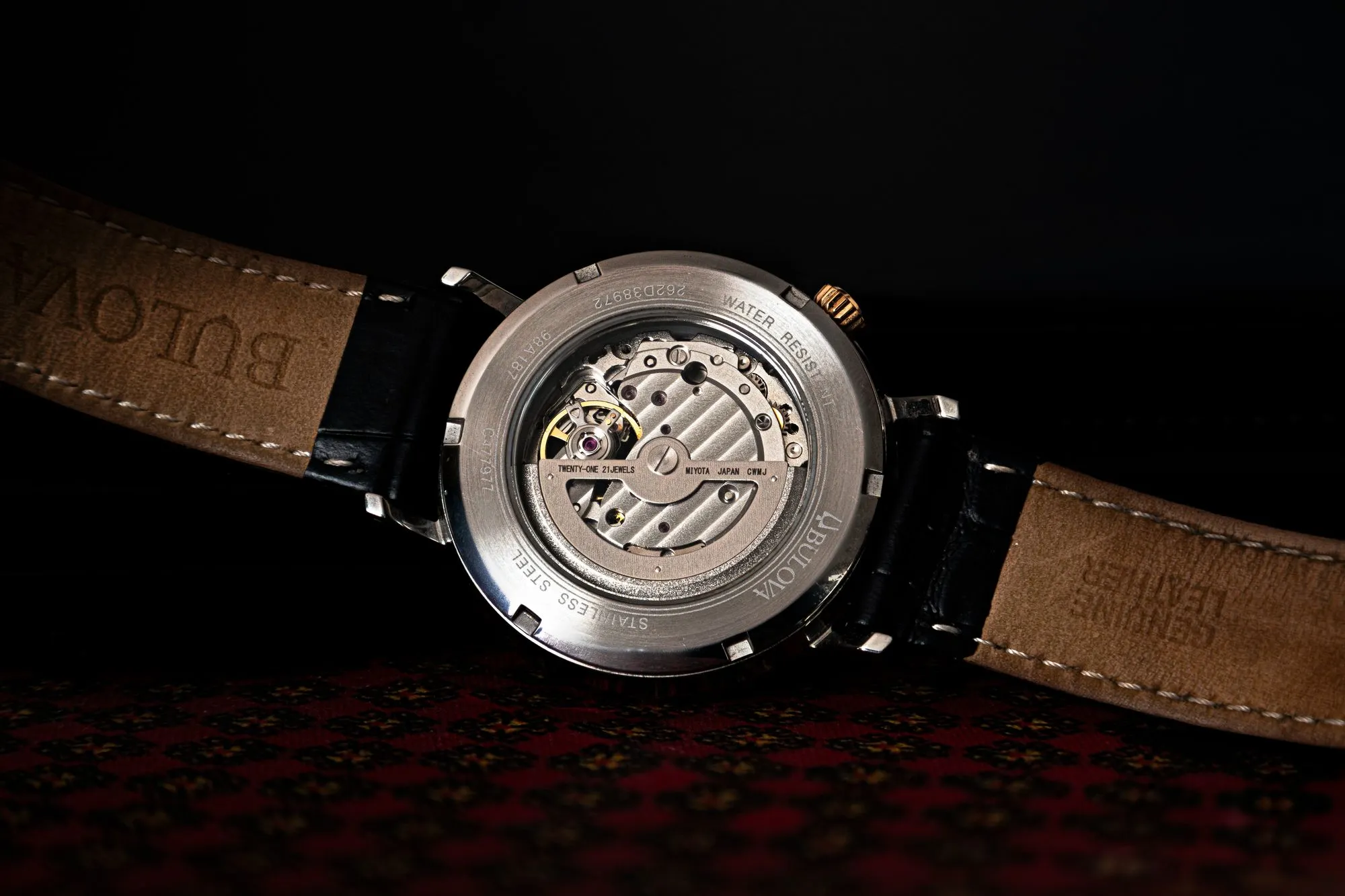
The movements inside
Independent brands mostly build on two Japanese families. All of these hack (the seconds hand stops when you pull the crown) and can be wound by hand. Accuracy figures are the manufacturers' own static ranges for a new movement.
| Calibre | Functions | Beat rate | Power reserve | Factory accuracy |
|---|---|---|---|---|
| Seiko NH35A | Three hands, date | 21,600 vph | 41+ h | −20 to +40 s/d |
| Seiko NH38A | Three hands, no date | 21,600 vph | 41+ h | −20 to +40 s/d |
| Seiko NH34A | GMT hand, date | 21,600 vph | 41+ h | −20 to +40 s/d |
| Miyota 9039 | Three hands, no date | 28,800 vph | about 42 h | −10 to +30 s/d |
| Miyota 9075 | True GMT, date | 28,800 vph | about 42 h | −10 to +30 s/d |
The Miyota 9075 is a "true" GMT: the hour hand jumps on its own so you can change local time while travelling. The NH34A sets its GMT hand independently instead, which suits keeping track of a second zone from home.
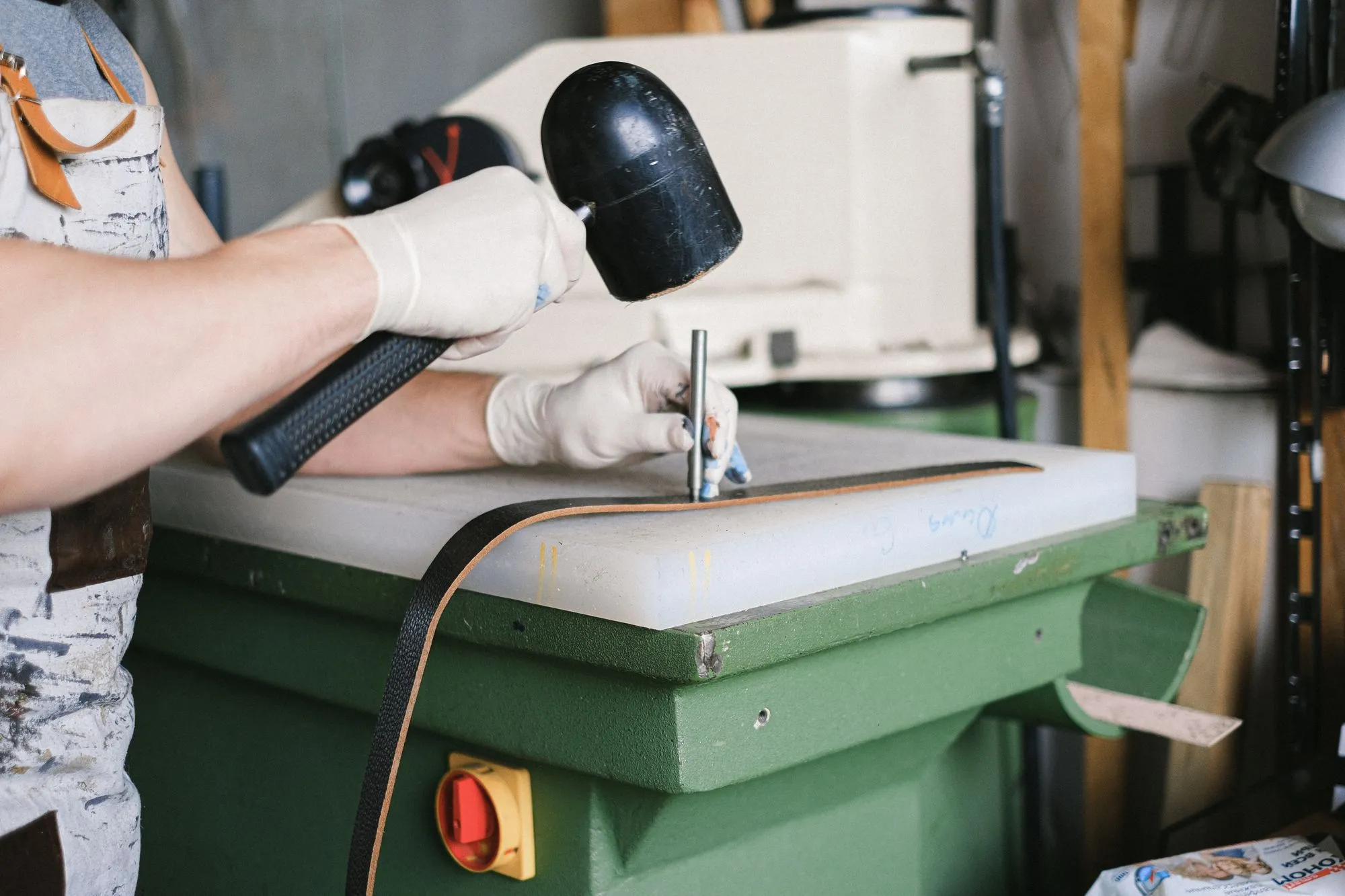
Four strap materials, four different feels
- Woven nylon
- Tight, flat weave that dries in minutes and threads under the watch, so the case sits on fabric rather than skin. Machine-washable in a laundry bag.
- FKM rubber
- Fluoroelastomer, denser and less sticky than silicone, so it does not pick up lint. Rinse in fresh water after the sea or a pool.
- Leather
- Vegetable-tanned calf with sanded and burnished edges. Stiff on day one, it softens and darkens where it bends around your wrist. Keep it out of water and let it air out overnight.
- Canvas
- Waxed cotton over a leather lining: the texture of a field jacket, a little lighter than leather. Wipe with a damp cloth.
Our leather rolls use full-grain leather with a suede lining, so a polished bezel rests against something softer than itself.
Reading the card in your box
Before packing, each watch is wound fully, rested for a minute, then measured on a timegrapher in four positions. The card records each reading, the average, the lift angle entered (53° for Seiko NH, 51° for Miyota 9000 series) and the date.
It is a snapshot of the watch on the day it left us, on a bench at room temperature. Daily accuracy on your wrist depends on how you wear it, how often, and where it rests at night.
| On the card | What it means | A good reading |
|---|---|---|
| Rate | Seconds gained or lost per day in that position | Within ±15 s/d is normal for an NH-series calibre |
| Amplitude | How far the balance wheel swings, in degrees | 270° to 310° fully wound, dial up, is healthy |
| Beat error | How evenly the balance ticks either side of centre, in ms | Under 0.5 ms is good; 0.5 to 1.0 ms is acceptable |
| Positions | Dial up, dial down, crown down, crown up | A spread of 10 to 15 s/d across positions is good |
Looking after it
- Keep watches a hand's width from phone speakers, laptop lids and magnetic bag clasps; magnetism is the most common reason a new automatic suddenly runs fast.
- Wipe the case and crystal with a microfiber cloth after wearing. Check that a screw-down crown is closed before any water.
- Movement servicing and repairs are handled by each watch's own brand under its terms. We do not open cases, but we will put you in touch with the right people.